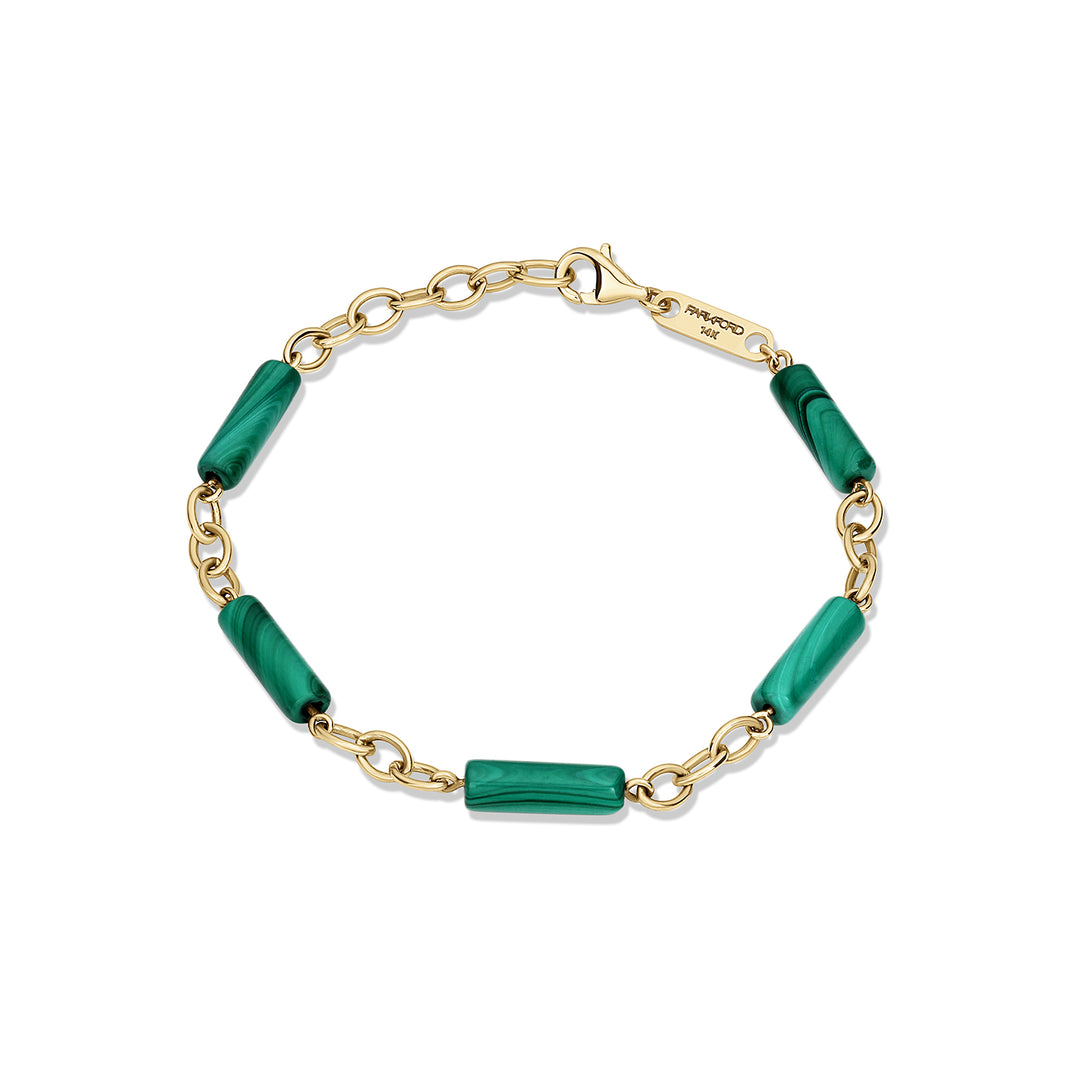



What Is Architectural Jewelry? A Modern Approach to Fine Jewelry Design

Architectural jewelry is defined by structure, proportion, and form. Like architecture itself, it balances technical requirements with aesthetic principles—function and form working together rather than competing.
In modern fine jewelry, this approach prioritizes clarity of design. Every line, curve, and dimension serves a purpose. Nothing is ornamental without reason.
Architectural Jewelry as Function and Form
In architecture, successful design balances structure, efficiency, and beauty. Buildings must stand, endure, and serve the people who move through them—while also expressing a clear aesthetic vision.
Architectural jewelry follows the same logic.
A piece must be structurally sound, wearable, and manufacturable. At the same time, it must feel intentional in proportion, scale, and visual presence. Design decisions are guided not just by appearance, but by how the piece functions on the body over time.
This balance between function and form is what distinguishes architectural jewelry from purely decorative design.
Key Elements That Define Architectural Jewelry
Function & Form
Architectural jewelry begins with structure. Proportion, balance, and geometry determine how a piece sits, moves, and wears.
Design choices account for weight distribution, durability, and long-term wearability. Form is not applied afterward—it emerges from these functional considerations.
Human Experience
Architecture is designed around human movement and interaction. Jewelry is no different.
Architectural jewelry considers how a piece feels on the body, how it moves with the wearer, and how it integrates into daily life. Scale and placement are intentional, ensuring the jewelry feels present without being intrusive.
The result is jewelry designed to be worn regularly, not reserved for special occasions.
Aesthetics & Artistry
While architectural jewelry is grounded in structure, it is not purely utilitarian.
Visual clarity, rhythm, and restraint define its aesthetic. Clean lines, defined silhouettes, and controlled surfaces create impact without excess. Beauty comes from proportion and balance rather than embellishment.
This approach allows the design itself—not decoration—to carry the visual weight.
Technical Skill
Architectural jewelry demands technical precision.
Designs must translate cleanly from concept to production, accounting for casting tolerances, material behavior, and finishing techniques. Technical skill ensures that form is preserved throughout the manufacturing process and that each piece maintains its intended structure.
Without this discipline, architectural designs lose their clarity.

Context
Just as architecture responds to its environment, architectural jewelry responds to context.
Pieces are designed with versatility in mind—able to transition between settings without changing identity. This context-aware approach reinforces longevity, allowing designs to remain relevant beyond seasonal trends.
Intentionality
Above all, architectural jewelry is intentional.
Every design decision—material choice, proportion, surface finish, and scale—is deliberate. Nothing is added for excess, and nothing is removed without purpose.
This intentionality gives architectural jewelry its sense of permanence and clarity.
Architectural Jewelry in Modern Fine Jewelry
Architectural jewelry aligns naturally with modern fine jewelry because both emphasize longevity, restraint, and thoughtful design.
Modern fine jewelry favors pieces that integrate into daily life while maintaining integrity over time. Architectural design reinforces this philosophy by prioritizing structure over ornamentation and clarity over trend.
Architectural Design as a Framework
At Parkford, architectural design is not a trend—it is a framework.
Each collection is built around proportion, structure, and material honesty. Designs balance manufacturability, wearability, and aesthetics to create modern fine jewelry meant to be worn consistently, without losing presence or intention.
Architectural jewelry reflects a belief that good design is disciplined, considered, and enduring.